This Is How They Tell Me the World Ends
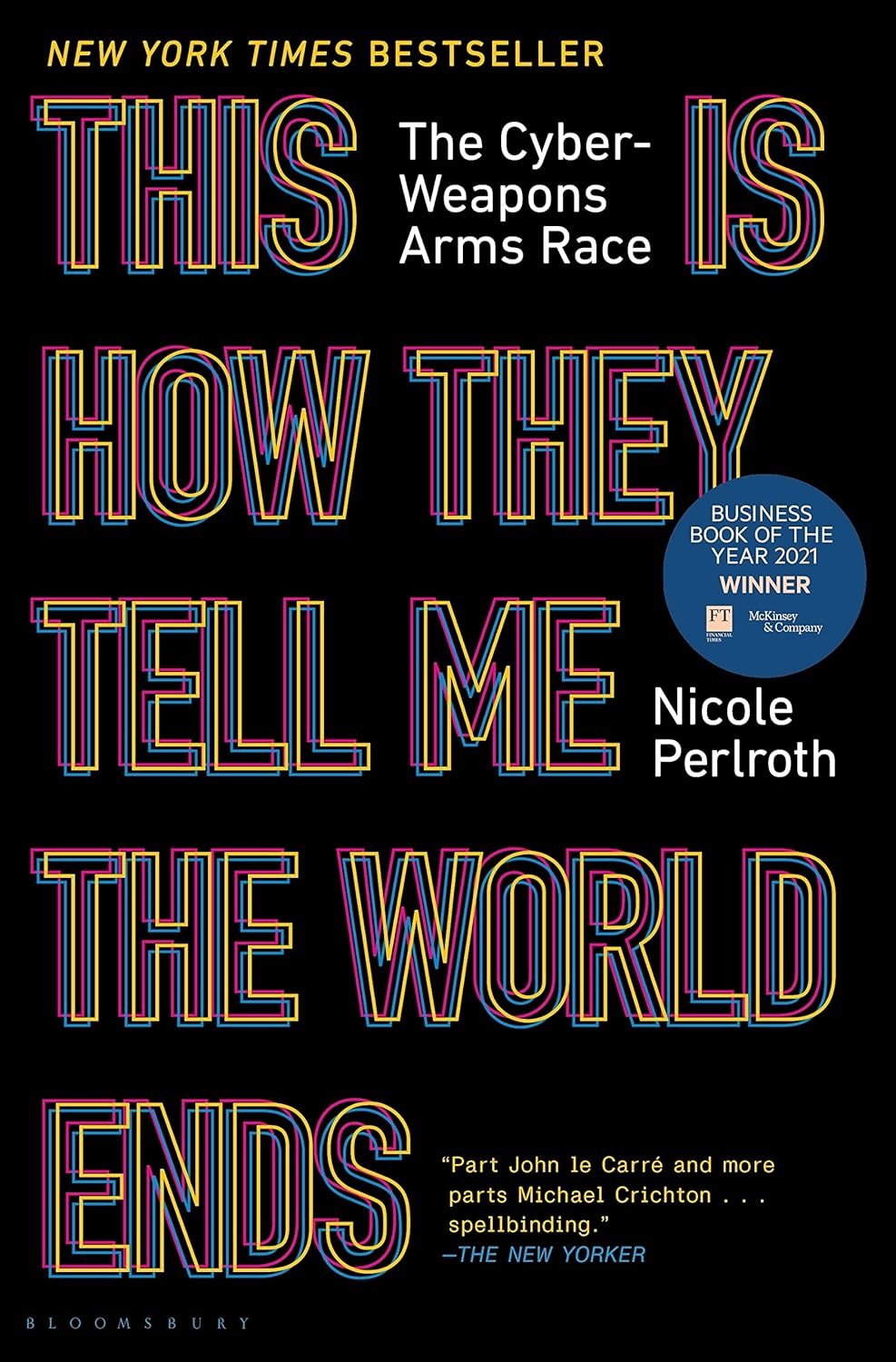
Forget Hollywood hacking. Nicole Perlroth’s seven-year investigation reveals the brutal reality of the zero-day exploit market: a shadow economy where a single Windows vulnerability sells for $2 million to nation-states, teenage bug hunters fund college with bug bounties, and hospitals get ransomwared because governments hoard flaws instead of patching them. As the New York Times’ lead cybersecurity reporter, Perlroth gained unprecedented access to NSA contractors, Israeli arms dealers, and the Ukrainian teens who accidentally triggered the NotPetya global meltdown.
The book’s power lies in its human scale. We meet “Emily,” a single mother selling iOS exploits to feed her kids; the NSA analyst who quit after realizing his work enabled Saudi dissident tracking; and the Microsoft engineer racing to patch flaws while nation-states actively block fixes. Perlroth masterfully connects technical details (memory corruption, sandbox escapes) to geopolitical consequences: Stuxnet’s legacy, SolarWinds’ supply chain compromise, and how Ukraine’s cyber defenses became its most effective military asset against Russia. Her reporting on the U.S. government’s Vulnerabilities Equities Process (VEP)—the secretive committee deciding whether to disclose or weaponize flaws—is journalism at its most vital.
This isn’t fearmongering; it’s a call for ethical reckoning. Perlroth documents how the U.S. spent billions stockpiling exploits while neglecting critical infrastructure defense—a choice that left Colonial Pipeline vulnerable. For security professionals, this book reframes our work: every vulnerability we find sits at a moral crossroads. Do we report it responsibly? Sell it quietly? Weaponize it? This Is How They Tell Me the World Ends should be mandatory reading for every bug bounty hunter, pentester, and CISO. It transforms abstract “threat landscapes” into human stories where our technical choices literally shape global security.