Permanent Record
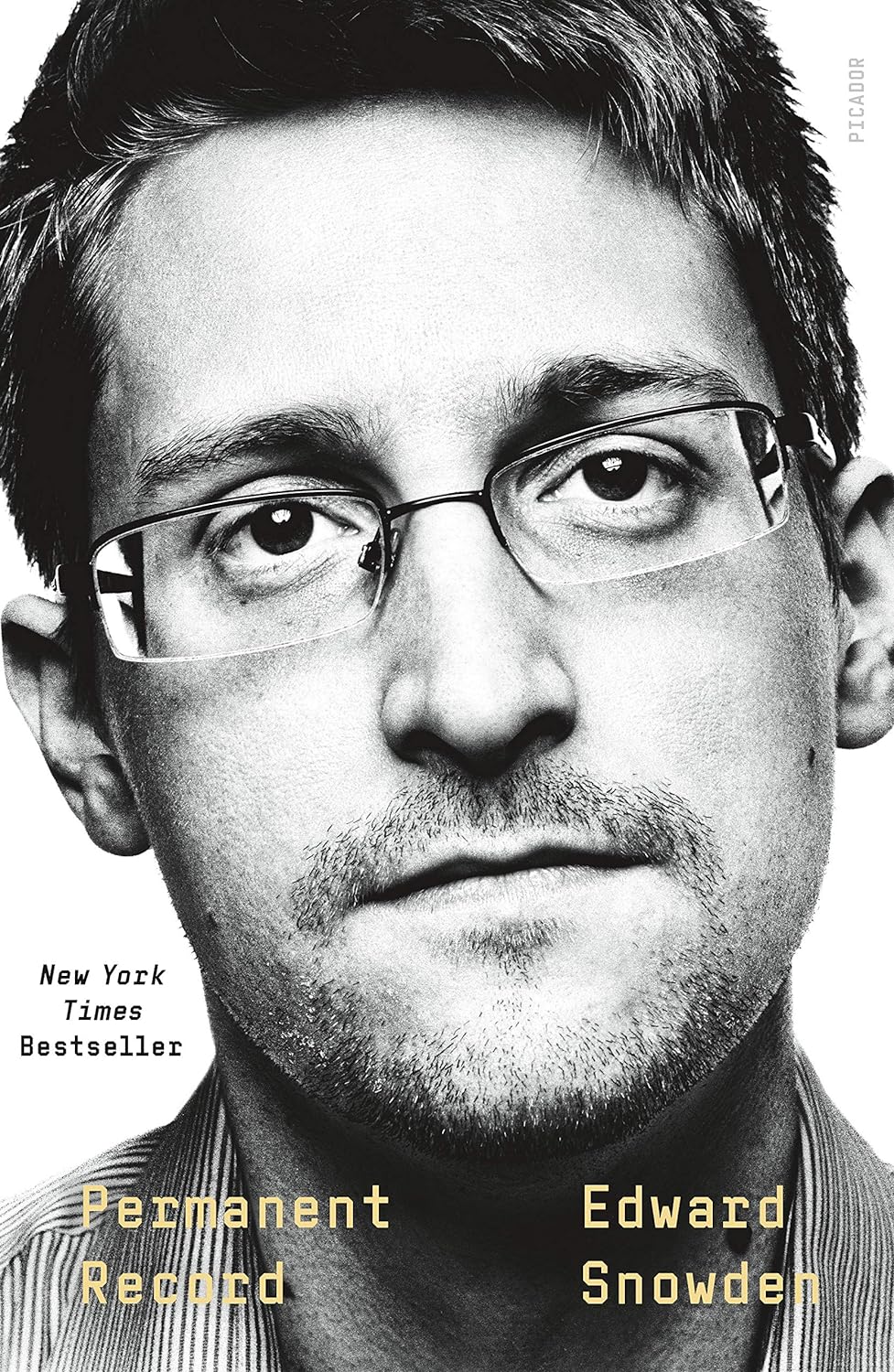
If 1984 is a fictional warning about surveillance, this is the real-world autobiography of the man who proved it was actually happening. Edward Snowden’s memoir details his journey from patriotic CIA and NSA contractor to the whistleblower who exposed the global mass surveillance apparatus. What makes “Permanent Record” so compelling isn’t just the revelation of classified programs like PRISM and XKeyscore—it’s Snowden’s clear-eyed explanation of how technological capabilities outpaced legal and ethical constraints, creating a surveillance state that operates without meaningful oversight or public consent.
Snowden’s narrative voice is surprisingly measured and introspective. He doesn’t portray himself as a hero or martyr; instead, he frames his actions as a necessary response to a system that had fundamentally broken its covenant with the public. His descriptions of working inside the intelligence community are illuminating—he genuinely believed in the mission of protecting national security, which makes his eventual disillusionment all the more powerful. The book’s middle section, where he methodically documents the scope of NSA surveillance programs, reads like a technical manual crossed with a horror story. Snowden explains complex concepts like upstream collection, metadata analysis, and bulk data retention in accessible language, making the scale of surveillance comprehensible to non-technical readers.
What elevates “Permanent Record” beyond a simple exposé is Snowden’s philosophical reflection on privacy, freedom, and the digital age. He argues that privacy isn’t about having something to hide—it’s about having something to protect. The ability to form thoughts, relationships, and beliefs without constant observation is fundamental to human dignity and democratic participation. Snowden’s critique extends beyond government surveillance to the broader ecosystem of data collection by tech companies, creating a comprehensive portrait of how we’ve surrendered our digital selves without fully understanding the consequences. The book’s title is deeply ironic: in an age where everything is recorded and nothing is forgotten, Snowden chose to sacrifice his own permanent record to protect ours. For anyone concerned about the balance between security and liberty in the digital era, this memoir is essential reading.