1984
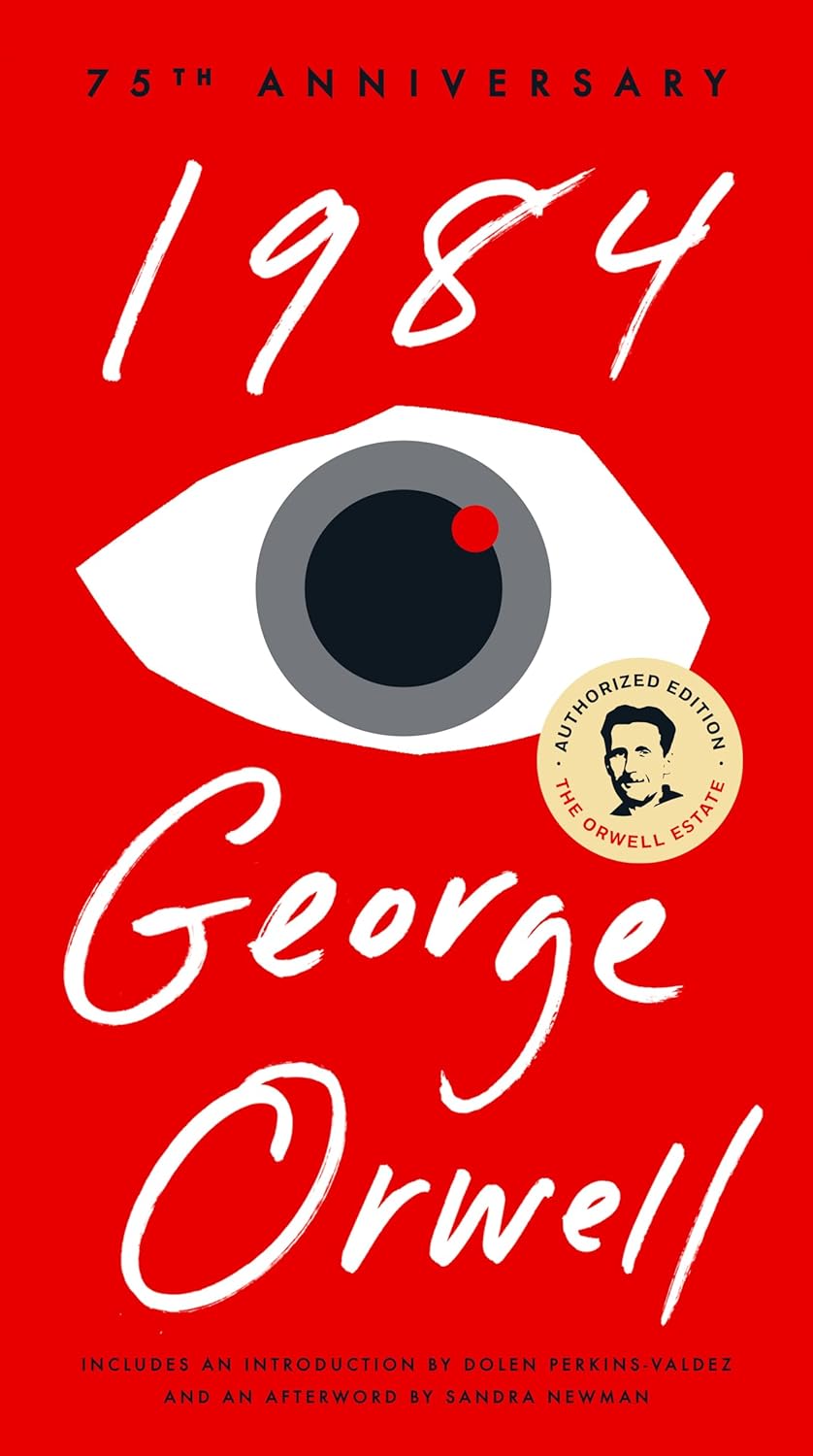
Orwell’s masterpiece remains the definitive warning about surveillance states—not because of its technological prescience (telescreens bear little resemblance to modern smartphones), but because of its chilling accuracy about power’s psychology. The novel’s true horror lies not in constant monitoring, but in the Party’s systematic destruction of objective reality itself. “Who controls the past controls the future; who controls the present controls the past” isn’t just propaganda—it’s the foundational principle of modern disinformation campaigns and deepfake ecosystems. Winston Smith’s job at the Ministry of Truth—retroactively altering historical records to match current Party narratives—feels unnervingly familiar in our era of AI-generated content and algorithmically curated realities.
What makes 1984 essential reading for security professionals is its exploration of surveillance’s purpose: not merely observation, but behavioral modification through fear. The telescreen’s genius isn’t its omnipresence—it’s the uncertainty of whether it’s actively monitored at any given moment. This “panopticon effect” mirrors modern digital surveillance: we don’t know which of our keystrokes trigger alerts, which searches flag us for review, or which connections draw scrutiny. Orwell understood that true control comes not from catching dissenters, but from making citizens internalize the watcher’s gaze until they police their own thoughts. The Thought Police don’t need to arrest everyone—they just need everyone to believe they might be arrested for thinking the wrong thing.
The novel’s enduring power comes from its diagnosis of language as the frontline of ideological control. Newspeak—the Party’s engineered language designed to eliminate unorthodox thoughts by removing the words to express them—finds its modern parallel in algorithmic content moderation, engagement-optimized communication, and the deliberate narrowing of public discourse. When Winston writes “DOWN WITH BIG BROTHER” in his forbidden diary, he’s not just committing treason—he’s performing an act of linguistic resistance. In an age where our digital footprints are harvested to predict and manipulate behavior, Orwell’s warning resonates with renewed urgency: the most dangerous surveillance isn’t what watches us—it’s what reshapes how we think before we even realize we’re being shaped. This isn’t a prediction of the future; it’s a mirror held up to our present.